Neighboring Excavation & Property Undermining Dispute

Overview

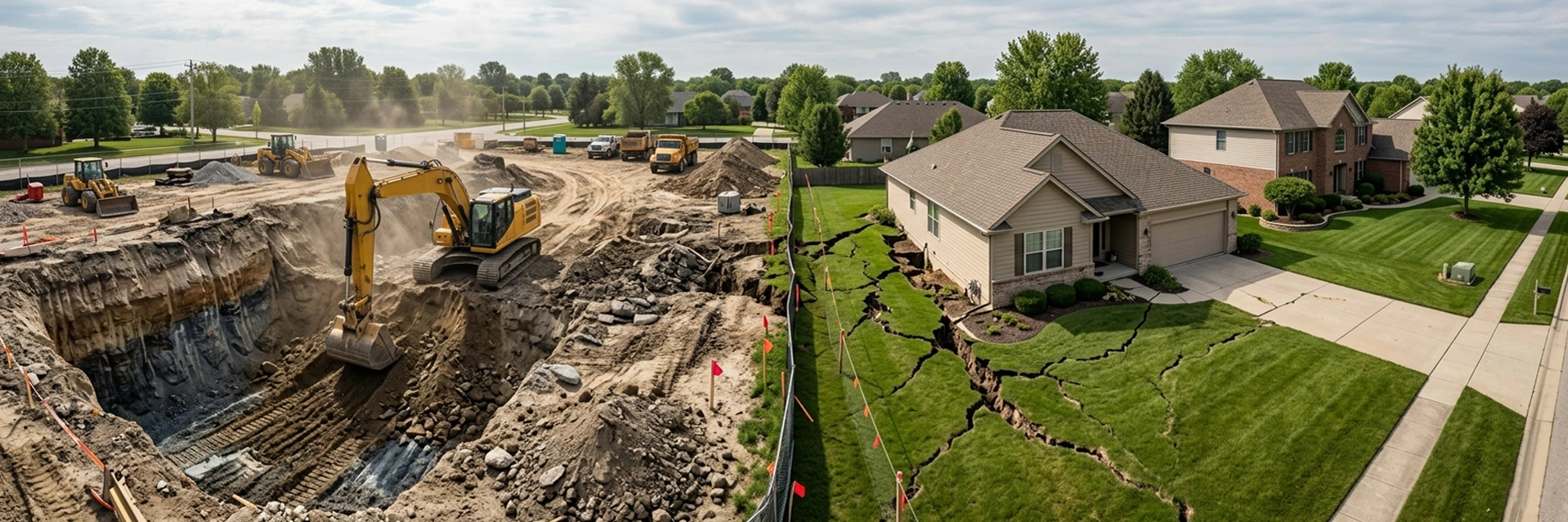
This matter involved concerns surrounding excavation work conducted on a neighboring property that allegedly affected the stability and condition of an adjacent residences. Questions arose regarding land support, excavation practices, and whether surrounding property rights and responsibilities had been properly considered during development activity.

The case required careful evaluation of property conditions, excavation impact, and supporting records related to the work performed near the residential structure. Our approach focused on strengthening the legal position through detailed analysis, supporting documentation, and strategic legal action.

The Challenge

The challenge was to work with the local elected official who had the power to withdraw the excavation permit if convinced that the concerns were valid. After reviewing the facts and legal issues, the official agreed and withdrew the permit. The dispute itself involved claims that excavation and land disturbance work damaged parts of a neighboring property, raising concerns about safety and long-term land stability. The case also required reviewing the construction activities, land conditions, and the legal responsibilities connected to excavation near neighboring residential properties.

Key Legal Issues
  • Excavation activity impacting neighboring property
  • Reviewing and evaluating soil conditions and examining boundary and property records.
  • Structural and property-related concerns
  • Review of development and excavation practices
  • Property rights and adjacent landowner responsibilities
  • Determining who had the authority to stop the excavation and whether the case needed to go to circuit court.
  • Evaluating geological and soil stability issues, including the property owner’s claim that the land would not collapse for many years.
Our Approach

Addressing the matter required a detailed review of land conditions, excavation activity, and supporting documentation related to the neighboring property work.

Key actions included:

  • Reviewing records and documentation related to excavation activity
  • Evaluating property and boundary conditions
  • Analyzing the relationship between land disturbance and structural concerns
  • Assessing legal responsibilities involving adjacent property impact
  • Strengthening the legal position through detailed factual review and strategic submission
Current Status

The excavation work was stopped years ago, and the homeowners who came together to oppose the excavation were satisfied with the outcome of the case.

Facing a Property or Land Dispute?

Land and excavation disputes often involve complex factual, structural, and legal issues. A careful legal approach can help clarify your rights and available options.
Environmental Justice & Community Pollution Dispute

Overview

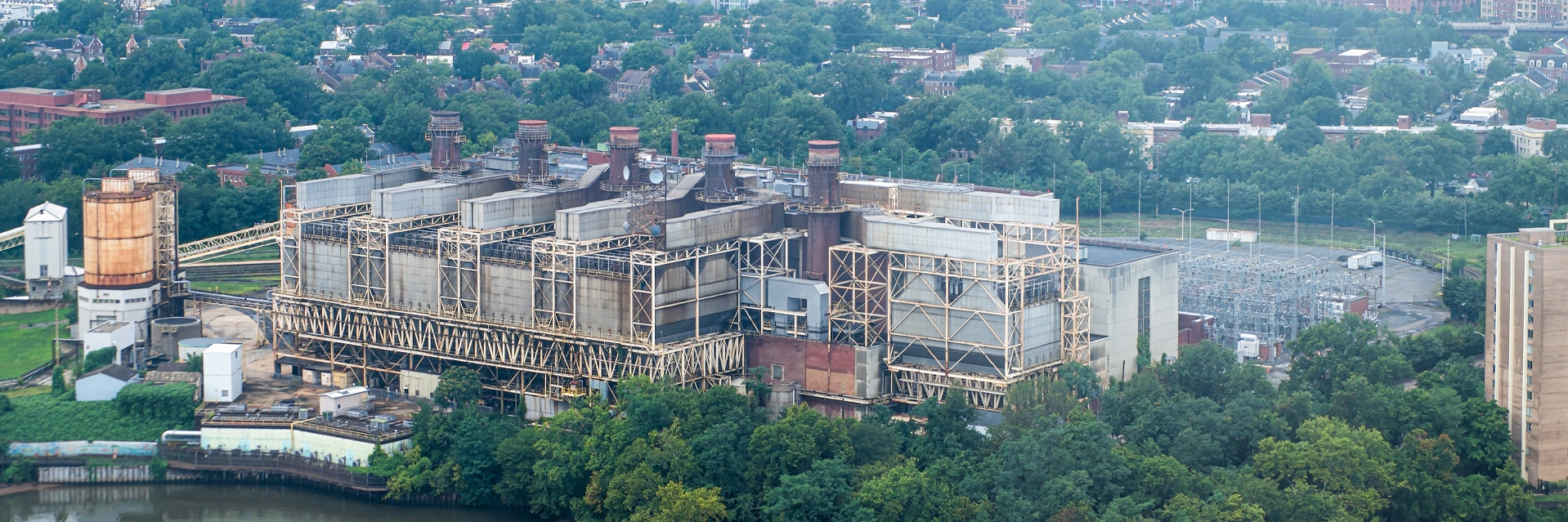
This matter involved legal action related to pollution concerns surrounding the GenOn power plant in Alexandria, Virginia, where nearby residents raised issues regarding environmental impact and community health. Concerns were centered on how regulatory and ordinance changes affected surrounding neighborhoods and whether sufficient protections were being maintained for affected residents.

The case includes allegations that an ordinance changing smoke regulations in the city weakened environmental protections related to air pollution from a power plant. The conditions created by the power plant highlighted the disproportionate pollution burden faced by residents of the City of Alexandria.

The matter also involved broader questions surrounding public policy, environmental responsibility, and community representation in areas impacted by industrial activity.

The Challenge

The challenge was assembling organized support from organizations representing underserved and racially concentrated communities in the northern part of Alexandria. The dispute involved allegations that ordinance changes weakened environmental protections connected to air pollution generated by the power plant. Residents and community advocates expressed concerns regarding the long-term effect of pollution on surrounding neighborhoods, including historically underserved communities.

We should also emphasize the representation of affected neighborhood interests. I want to highlight community and public policy organizations involved in the case, specifically the NAACP and the Sierra Club.

Key Legal Issues
  • Environmental and air pollution concerns
  • Community impact and public health considerations
  • Review of local ordinance and regulatory changes
  • Representation of affected neighborhood interests
  • The merger of nuisance law with civil rights legislation represented new legal ground.
Our Approach

Addressing the matter required a combination of legal advocacy, public policy analysis, and community-focused representation. The legal strategy focused on evaluating ordinance changes, environmental concerns, and the broader impact on residents affected by industrial activity.

Key actions included:

  • Reviewing environmental and regulatory records
  • Evaluating ordinance changes affecting pollution controls
  • Advocating before community groups and the city council to gain support for repealing the ordinance deregulating restaurant smoke, and highlighting the impact of coal-fired power plant pollution on residents of underserved areas of the city.
  • Supporting environmental accountability efforts
  • Strengthening the legal position through strategic legal review and public advocacy
Current Status

The matter reflected broader environmental justice concerns involving industrial pollution and community protection. Continued legal and public advocacy efforts played a significant role in addressing the environmental impact issues surrounding the facility.

Facing a Land, Environmental, or Community Rights Issue?

Complex disputes involving environmental impact, public policy, and property rights often require detailed legal analysis and strategic advocacy.

Interstate Oil Operations & Boundary Rights Dispute

Overview

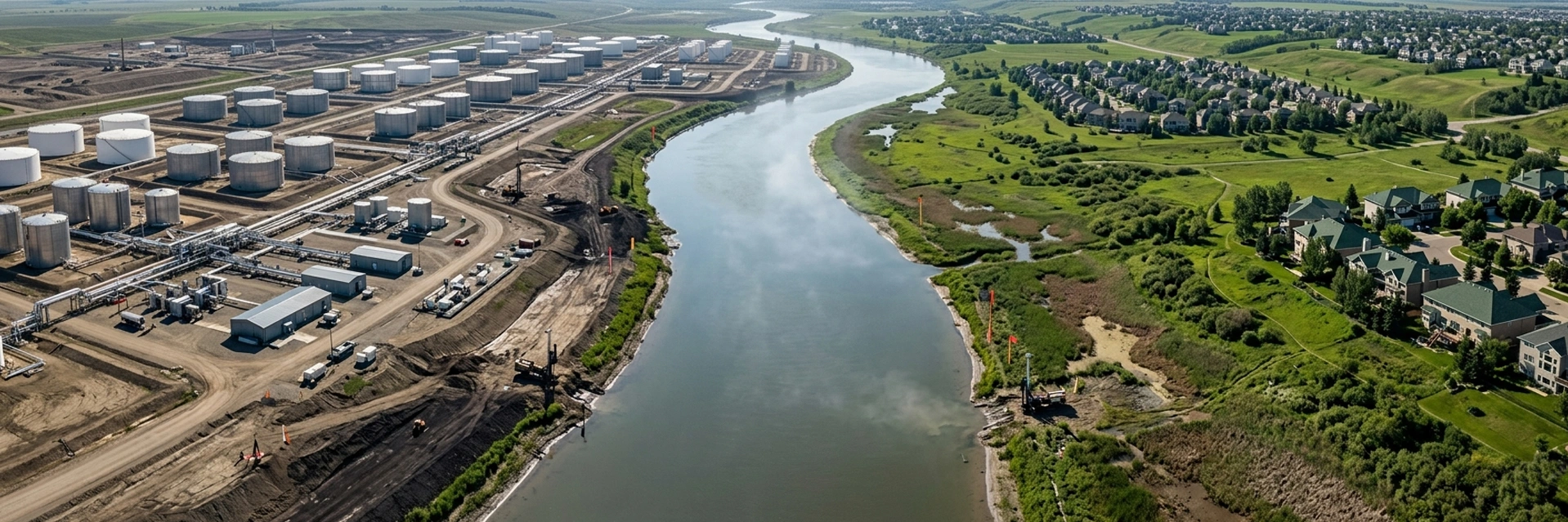
This matter involved a dispute connected to interstate oil operations and jurisdictional boundary issues affecting land use and property rights along the Potomac River. It also involved clarification of the boundary line between the U.S. Department of the Interior and the state of Virginia and the city of Alexandria, which was determined by national legislation to lie at the high water mark of the Potomac River.

The case required detailed technical review of land boundaries, operational impact, and regulatory considerations tied to interstate activity. Questions also arose regarding the effect of industrial operations on nearby residents, including concerns about environmental conditions, community impact, and civil rights considerations affecting the impacted populations.

The Challenge

The dispute involved significant technical and legal challenges related to boundary interpretation, soil conditions, and industrial activity along the waterfront. A key part of the case required visual review of soil boring reports and analysis of soil depth to determine which side of the property lay near the boundary of the Potomac River waterfront.

The work also required reviewing detailed soil boring records and interpreting their legal significance within the boundary dispute. In addition, the matter involved broader concerns about the impact of long-term industrial operations on surrounding communities and whether adequate consideration had been given to environmental and residential effects.

Key Legal Issues
  • Interstate and jurisdictional boundary disputes between the federal government, which owned the Potomac River up to the high watermark, and state and city authorities, involving questions related to the boundary line and land jurisdiction.
  • Technical land and operational analysis
  • Industrial and oil-related land use concerns
  • Community and neighboring property impact
Our Approach

Addressing the matter required extensive technical review and strategic legal analysis, along with careful examination of operational soil boring records and land records connected to the dispute. It also involved reviewing technical and boundary-related documentation and understanding jurisdictional issues tied to interstate and waterfront land use.

The work further required participating in a complicated alliance among waterfront property owners and strengthening the legal position of the alliance against the interior department of the U.S. government, which enabled settlements of most land parcels bordering the Potomac River. The approach also included analyzing environmental concerns and building a strong factual and legal position through detailed review and strategic legal action.

Key actions included:

  • Reviewing technical and boundary-related documentation
  • Reviewing soil boring records and land records
  • Participating in a complicated alliance among waterfront property owners and strengthening the legal position of the alliance against the government, which enabled settlements of most land parcels bordering the Potomac River
  • Strengthening the legal position through detailed factual analysis and strategic legal action
Current Status

The matter has concluded with the client selling its claim to the Alexandria waterfront property. The ownership interest was transferred to a national charitable association as part of the final resolution. This marks the closing of the dispute, with the property interest no longer held by the original client and now under the control of the charitable organization, bringing the long-running waterfront and boundary-related issues to a settled outcome.

Facing a Complex Land or Property Dispute?

Land and industrial disputes often involve technical records, regulatory issues, and overlapping property rights. A detailed legal approach can help clarify your position and available legal options.

Disputed Rural Property Access & Easement Conflict

Overview

A rural land dispute involving contested roadway access, historical easement use, and conflicting property claims between neighboring landowners.
This matter involved a dispute regarding long-standing access rights across privately owned rural property. Questions arose concerning historical roadway use, recorded easement boundaries, and whether neighboring landowners retained lawful access through portions of the property. The case required detailed examination of historical land records, property surveys, and patterns of prior land use to clarify access rights and ownership interests.

The Challenge

The dispute centered on conflicting interpretations of easement rights and roadway access affecting multiple adjoining parcels of land. Inconsistencies in historical documentation and property descriptions created uncertainty regarding the legal scope of access rights.
Additionally, concerns involving land use restrictions, maintenance responsibilities, and unclear historical records created challenges in establishing a clear legal position for the affected properties.

Key Legal Issues
  • Disputed easement and roadway access rights
  • Conflicting historical land records require boundary and ownership clarification
  • Converting GIS records and historical custodial county data to obtain county health, land use information, and photographs.
  • Protection of rural property access rights and legal standards governing access limitations in rural land disputes.
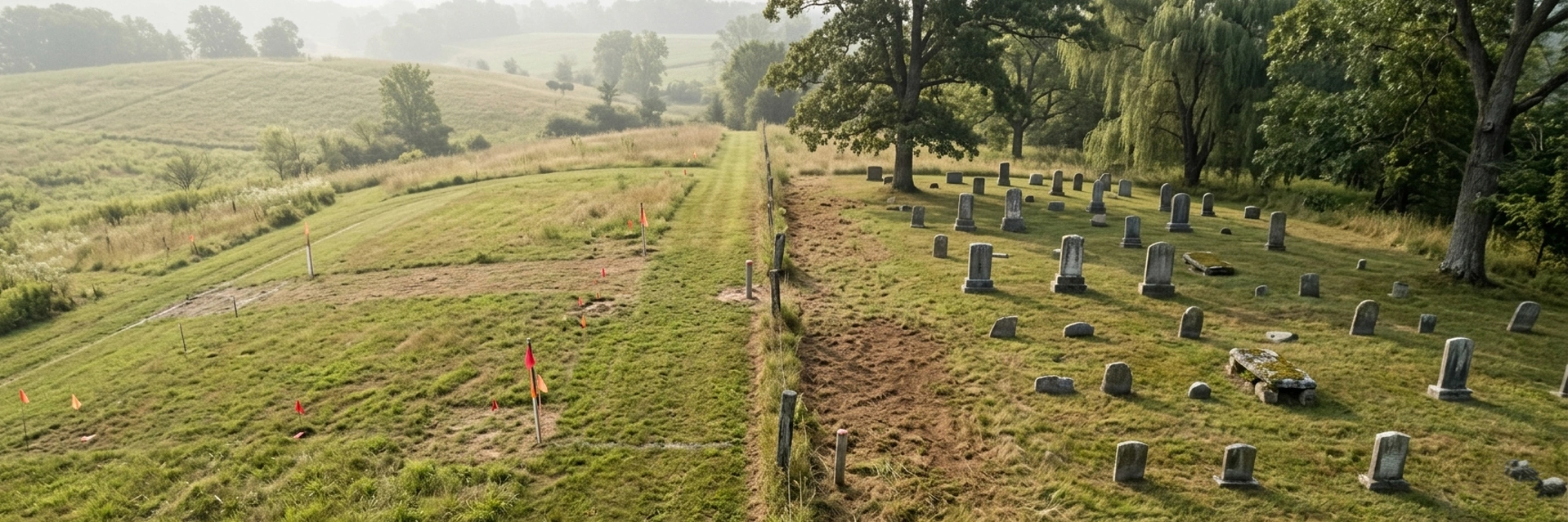
  • Land use and neighboring property rights issues involving the protection of historically and culturally significant sites, including a burial ground owned by Black community members, and the developer’s property.
Our Approach

The matter involved a land dispute concerning property adjacent to a historic graveyard. The approach focused on carefully assessing the boundaries of the known property and its relationship to the burial ground to ensure proper recognition and protection of the cultural and historical significance of the site. This work also supported efforts to preserve the land surface while assisting geological and site investigations connected to the property.

Key actions included:

  1. Reviewing historical deeds and easement records
  2. Evaluating property surveys and roadway access points
  3. Clarifying land use and neighboring property rights
  4. Identifying inconsistencies in recorded documentation
  5. Establishing the legal position of our association and client through personal inspection, strategic legal analysis, and investigation, and preparing the approach for submission to the county court officials
Current Status

The matter is currently focused on efforts related to the adjacent gravesite and surrounding land. Initial steps included encouraging the landowner to begin limited site cleanup while ensuring that no further disturbance of the disputed land surface occurs during the ongoing dispute. Preliminary actions regarding land evaluation were paused as part of the initial partial resolution. Further legal steps are being considered to address remaining issues, although some claims may be challenged in court, and parts of the lawsuit may be dismissed depending on judicial review.

Facing a Similar Land Use Issue?

Land disputes involving easements, access rights, and rural property boundaries often require careful legal analysis and detailed review of historical records. A strategic legal approach can help clarify your rights and available options.